Introduction
Moving can be an exciting time in one's life, but it can also be incredibly stressful. The most critical factors of moving is packing, and if you don't do it correctly this can cause many headaches and problems down the line. In this post, we will discuss some common packing errors that people tend to make when moving and provide strategies to get around these. Whether you're moving across town or across the country, these tips will help ensure a smooth and successful move.
Starting Too Late
Sub-The Importance of Time Management
One of the biggest mistakes people make when it comes to packing is starting too late. The process of packing can take longer than you anticipate in particular if you've accumulated a lot of belongings throughout many years. It's important to give yourself enough time to properly pack everything up without feeling rushed or overwhelmed.
Sub-Create a Timeline
To avoid starting too late, it's helpful to create a timeline for your move. List all the work which must be accomplished prior to moving day and establish dates for each one. This will help keep you on track and ensure that you're not scrambling at the last minute.
Sub-Enlist Help
If you find yourself running out of time, don't hesitate to ask for help. Reach out to friends or relatives who might be willing to assist you with packing. You can also consider hiring professional packers who are experienced in efficiently packing up belongings.
Not Decluttering Before Packing
Sub-Why Decluttering is Important
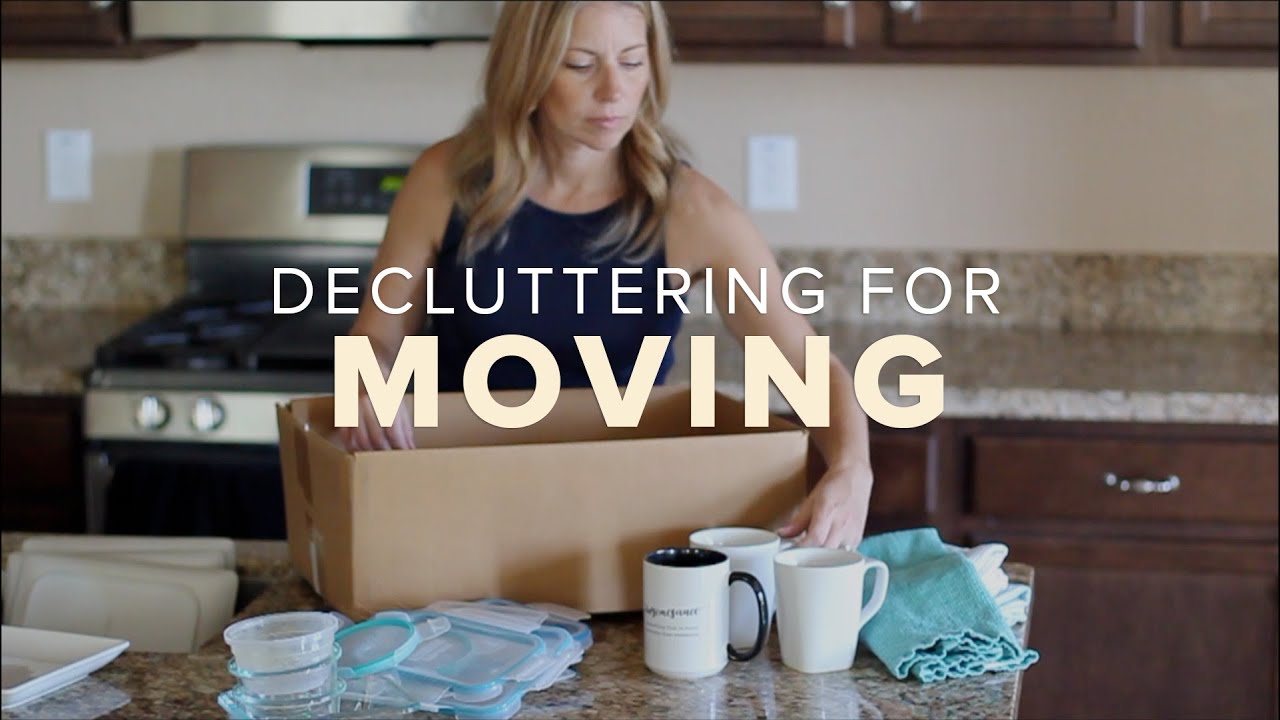
Before you start packing, it's essential to declutter your belongings. The shackles you hold onto items which you don't need or use will only increase clutter and create a mess that will make your move much more challenging. Decluttering before packing will not only save you time but also money, as you'll have fewer items to transport.
Sub-Sort and Organize
To effectively declutter, go through each room and sort your belongings into three categories: keep, donate/sell, and throw away. You must be honest with yourself regarding what you truly want and need, as well as what needs to be removed. Consider the Marie Kondo method of keeping items that bring you joy and discarding the rest.
Sub-Host a Garage Sale or Donate
Once you've sorted through your belongings, consider hosting a garage sale to sell items that are still in good condition but no longer needed. This will not only allow you to earn some additional dollars, but will also make sure that your belongings are given new homes so that they'll be appreciated. Anything that doesn't sell can be donated to local charities or shelters.
Underestimating Packing Supplies Needed
Sub-Assessing Your Packing Needs
One common mistake people make is underestimating the amount of packing supplies they will need. It's better to have too many supplies than not enough, as running out of boxes or packing materials can significantly slow down the packing process.
Sub-Purchase Packing Supplies in Advance
To avoid this mistake, take inventory of your belongings and estimate how many boxes, bubble wrap, tape, and other packing materials you will need. Purchase these supplies well in advance of your move to ensure that you have everything on hand when it's time to pack.
Sub-Get Creative with Packing Materials
In addition to traditional packing supplies, get creative with what you already have around the house. Utilize blankets, towels, or clothes to wrap fragile items instead of purchasing extra bubble wrap. This not only saves money but also reduces waste.
Not Labeling Boxes Properly
Sub-The Importance of Labeling
One of the biggest headaches during a move is not knowing where your belongings are once you arrive at your new home. Failing to label boxes appropriately can cause hours of searching and frustration. Take the time to label each box clearly http://erickqxva638.raidersfanteamshop.com/10-trendy-moving-tips-and-tricks-you-need-to-know and accurately.
Sub-Use a Color-Coding System
To make the unpacking process easier, consider using a color-coding system when labeling your boxes. Give each room a distinct color and mark each box in the appropriate color. This will allow movers or helpers to quickly identify which room each box belongs in, saving time and reducing confusion.
Sub-Create an Inventory List
In addition to labeling, create an inventory list of all the items inside each box. This will allow you to maintain track of your belongings and will ensure that no items are lost in the move. You can also use this list to prioritize which boxes should be unpacked first.
Overpacking Boxes
Sub-The Dangers of Overpacking
Overpacking boxes may seem like a great way to save space, but it can actually lead to damaged belongings and backbreaking lifting. Heavy boxes are more likely to break or cause injury when being moved.
Sub-Stick to Weight Limits
When packing, it's important to adhere to weight limits for each box. In general, you should not to go over 50 pounds for each box. Use smaller boxes for heavy items like books and distribute lighter items among larger boxes.
Sub-Reinforce Fragile Items
For fragile items, it's crucial not to skimp on packing materials. Utilize plenty of bubble wrap and packing papers to shield fragile items as well as double-box the items for extra protection. It's better to be safe than sorry when it comes to fragile belongings.
Neglecting to Pack an Essentials Box
Sub-The Importance of an Essentials Box
An essentials box is a box that contains all the items you'll need immediately upon arriving at your new home. It ensures that you have everything you need without having to search through multiple boxes.
Sub-Essential Items to Include
When packing your essentials box, consider including toiletries, a change of clothes, important documents, basic kitchen supplies, and any other items that will make your first few days in your new home more comfortable. Keep this box easily accessible during the move.
Sub-Mark the Essentials Box Clearly
To prevent it from getting lost in the sea of boxes, mark your essentials box clearly with a bright label or sticker. This will help movers or helpers identify its importance and ensure that it doesn't get misplaced during the move.
FAQs:
FAQ: What are some common moving mistakes to avoid? Answer: Common moving mistakes to avoid include starting too late, not decluttering before packing, underestimating packing supplies needed, not labeling boxes properly, overpacking boxes, and neglecting to pack an essentials box.
FAQ: How can I avoid starting too late when packing for a move? Answer: To avoid starting too late, create a timeline for your move and break down tasks with deadlines. Enlist help if needed and consider hiring professional packers for assistance.
FAQ: Why is decluttering important before packing for a move? Answer: Decluttering helps save time and money by reducing the number of items you need to pack and transport. It also ensures that you only bring belongings that are truly necessary to your new home.

FAQ: How do I estimate the amount of packing supplies I will need? Answer: Take inventory of your belongings and estimate how many boxes, bubble wrap, tape, and other packing materials you will need. Purchase these supplies in advance to avoid running out.
FAQ: What is the benefit of using a color-coding system when labeling boxes? Answer: A color-coding system makes it easier to identify which room each box belongs in during the unpacking process. It saves time and reduces confusion for both movers and homeowners.
FAQ: Why should I not overpack boxes when moving? Answer: Overpacking boxes can lead to damaged belongings and injuries during the move. Stick to weight limits and reinforce fragile items appropriately to ensure a safe and successful move.

Conclusion
Moving can be a daunting task, but with proper planning and avoiding common packing pitfalls, it can be a smooth and stress-free experience. Start early and decluttering prior to packing and making estimates of packing supplies precisely, labelling boxes appropriately, staying clear of over-packing as well as packing an essentials box to ensure you're prepared to tackle your move. Be sure to seek help whenever you need it and remain well-organized throughout the procedure. Good luck with your move!